

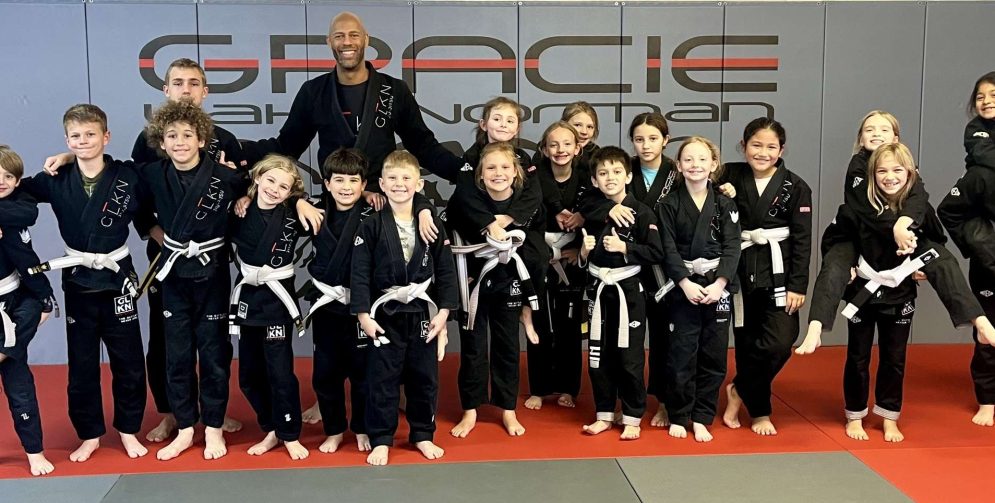
Brazilian Jiu-Jitsu (BJJ) is a martial art that has gained immense popularity over the years. Known for its focus on grappling and ground fighting, BJJ is often seen as a beneficial activity for children, promoting physical fitness, discipline, and confidence. However, for many parents, the question remains: when is the right age for kids to start BJJ training? This article delves into the various factors to consider when deciding the best age for your child to begin their BJJ journey, ensuring it aligns with their developmental needs and interests.
Understanding BJJ for Kids
Brazilian Jiu-Jitsu is not just a sport; it’s a way of life that instills values such as respect, patience, and perseverance. For kids, BJJ can be a transformative experience that goes beyond physical activity. It teaches them how to solve problems, work collaboratively, and respect others, which are crucial skills for their overall development.
BJJ’s emphasis on technique over brute strength makes it suitable for children, who can learn to leverage skill rather than size. This aspect of BJJ encourages strategic thinking and boosts self-esteem as children realize they can overcome challenges regardless of their physical stature. Additionally, the structured environment of a BJJ class provides a safe space for kids to learn about competition, the importance of sportsmanship, and how to gracefully handle both victory and defeat.
The Benefits of BJJ for Kids
BJJ is more than just a self-defense technique. It’s a comprehensive workout that enhances strength, flexibility, and endurance. Here are some of the key benefits:
- Physical Fitness: BJJ is an excellent way to improve overall physical health. It engages various muscle groups and enhances cardiovascular health. The dynamic nature of the sport ensures that children get a full-body workout, which can significantly contribute to their physical development.
- Mental Growth: The techniques and strategies involved in BJJ require mental focus and problem-solving skills, aiding in cognitive development. Children learn to anticipate their opponent’s moves and think several steps ahead, which can improve their critical thinking abilities and academic performance.
- Social Skills: Training in BJJ often involves partner work, helping kids develop teamwork and communication skills. The collaborative nature of BJJ fosters a sense of community and belonging, encouraging kids to build friendships based on mutual respect and shared goals.
- Self-Discipline: Like many martial arts, BJJ requires dedication and practice, fostering a sense of discipline in young practitioners. Consistent training helps children develop a routine, teaching them the value of persistence and hard work, which are important life skills.
- Confidence Building: Successfully learning and applying techniques can significantly boost a child’s self-esteem and confidence. As children progress through the ranks and achieve new belts, they gain a sense of accomplishment that translates to other areas of their lives, empowering them to face challenges head-on.
When Is the Best Age to Start BJJ?
Determining the best age for a child to start BJJ depends on several factors, including the child’s physical development, interest level, and maturity. Here are some general guidelines:
Starting as Young as Four
Some BJJ academies offer classes for children as young as four years old. At this age, the focus is typically on fun and basic movement skills rather than strict technique. Classes are designed to keep children engaged and active, using games and playful drills to introduce the fundamentals of BJJ. These early classes emphasize gross motor skills, coordination, and basic body awareness.
Starting young allows children to become comfortable in a class setting and instills a love for physical activity from an early age. The playful environment also helps kids associate exercise with fun, laying the foundation for a healthy lifestyle. Moreover, engaging in BJJ at a young age can enhance their social skills as they learn to interact with peers in a structured yet enjoyable setting.
Ages Six to Eight
For children between six and eight, BJJ can become a more structured activity. At this age, kids are better able to follow instructions and understand the basic concepts of the sport. They can start learning more complex techniques and engage in light sparring, which helps them apply what they’ve learned in a controlled environment. This stage is crucial for developing discipline and an understanding of the sport’s etiquette.
Participating in BJJ at this age can also aid in the development of fine motor skills and strategic thinking. As children learn to execute techniques with precision, they gain a deeper understanding of body mechanics and spatial awareness. The introduction of light sparring allows them to experience real-world application of their skills, boosting their confidence and encouraging them to set and achieve personal goals.
Ages Nine and Above
Children who start BJJ at nine or older can dive deeper into the sport. They are typically mature enough to handle more intense training sessions and understand the intricacies of BJJ techniques. At this stage, they can also start participating in competitions if they show interest, which can further enhance their skills and foster a competitive spirit.
Engaging in BJJ at this age can improve a child’s resilience and ability to handle pressure, as they learn to navigate the complexities of competitive environments. Training at this level encourages independence and self-motivation, as children take ownership of their progress and strive to master advanced techniques. The experience gained from competitions also teaches valuable lessons in sportsmanship and humility, which are essential life skills.
Factors to Consider
While age can be a helpful guideline, it’s essential to consider other factors when deciding if your child is ready to start BJJ.
Physical Readiness
Each child develops at their own pace, and some may be ready for BJJ earlier than others. Consider your child’s physical abilities and coordination. Are they able to follow instructions and engage in physical activities without getting easily frustrated? Ensuring they have the physical stamina and basic motor skills is crucial for a positive experience in BJJ.
It’s also important to assess any physical limitations or special needs your child might have and discuss these with instructors to tailor the training accordingly. A supportive environment that accommodates individual differences can significantly enhance a child’s experience and ensure they reap the full benefits of BJJ.
Interest Level
It’s crucial to gauge your child’s interest in BJJ. If they show enthusiasm and curiosity about the sport, they are more likely to enjoy and benefit from the training. Encourage them to watch a class or participate in a trial session to see if it sparks their interest. Their eagerness to engage with the sport is a strong indicator of whether they will commit to the training.
Fostering a child’s passion for BJJ can lead to long-term engagement, which is essential for skill development and personal growth. Encouraging them to set personal goals and celebrate their achievements can help maintain their interest and motivate them to continue their BJJ journey.
Maturity
BJJ involves close physical contact and requires a certain level of maturity to understand the importance of respect and safety. Assess whether your child can handle these aspects of the sport and interact positively with peers and instructors. The ability to follow rules, respect boundaries, and exhibit sportsmanship is essential for a safe and enjoyable BJJ experience.
A child’s emotional maturity also plays a role in how they handle the challenges of BJJ, such as dealing with losses or learning from mistakes. Supporting your child in developing emotional resilience will not only enhance their BJJ experience but also equip them with skills to navigate various life situations effectively.
Choosing the Right BJJ School
Once you’ve decided that your child is ready to begin BJJ training, the next step is finding the right school. Our expert instructors are committed to providing a world-class BJJ experience that transforms both the body and the mind. Join us today to see why we are the top choice for BJJ in the Lake Norman area, including Mooresville, Cornelius, and surrounding towns.
At Gracie Lake Norman, we distinguish ourselves through our unwavering commitment to quality, innovation, and results. Our expert instructors, equipped with extensive experience, provide personalized attention to students of all ages. Our state-of-the-art facilities create an optimal training environment, while our comprehensive training programs ensure that every student receives a well-rounded education in Brazilian Jiu-Jitsu.
We blend modern techniques with traditional values, ensuring that each class not only teaches essential skills but also instills discipline and respect. When you train with us, you’re not just learning BJJ; you’re embarking on a journey that delivers tangible results and fosters personal growth. Join us today and experience the best in BJJ training—because we settle for nothing less.
